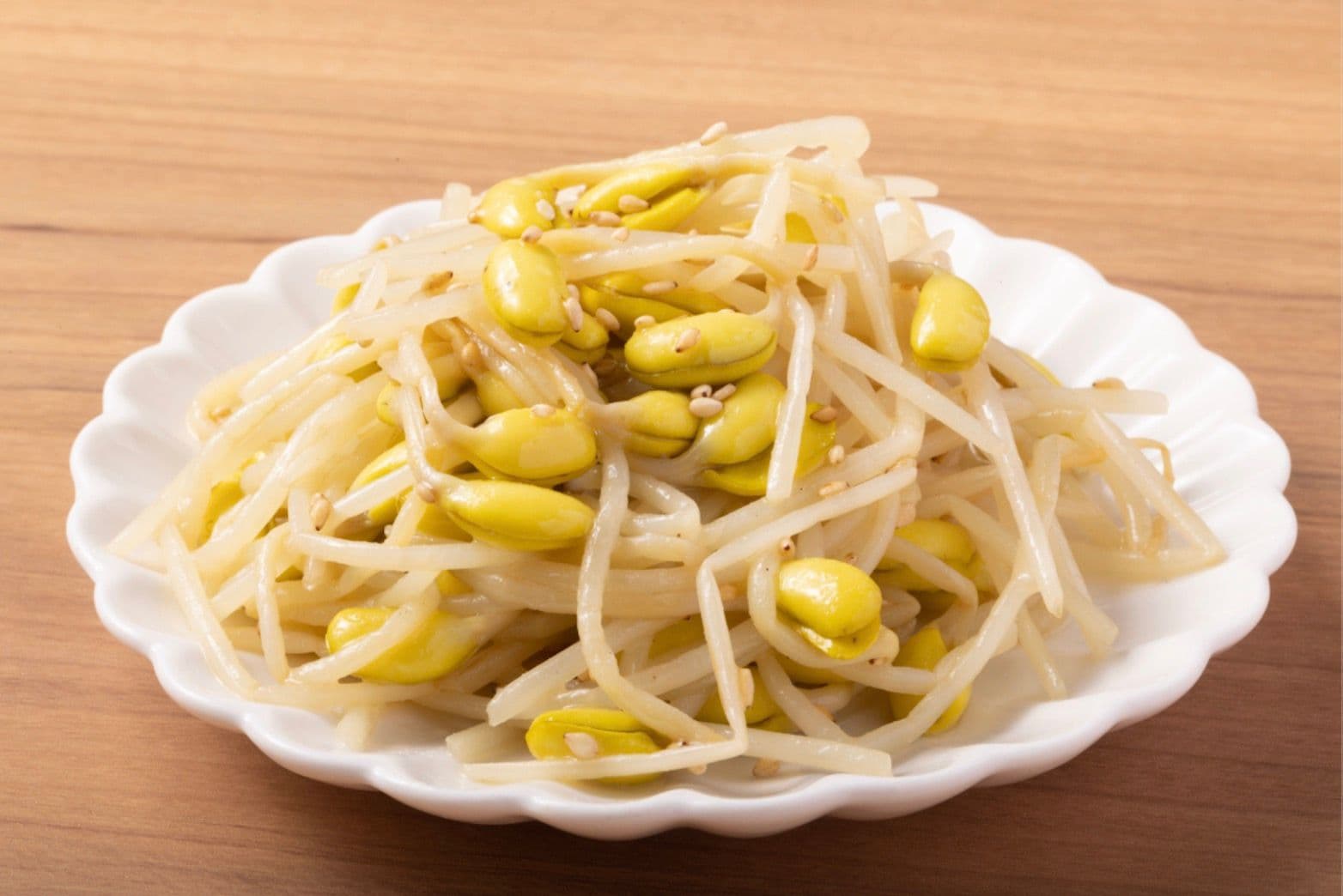
Kongnamul Muchim (Korean Soybean Sprout Side Dish, 콩나물무침)
A simple kongnamul muchim recipe with soybean sprouts, soup soy sauce, sesame oil, and sesame seeds. Korean soybean sprout side dish for rice or bibimbap.
My notes for this recipe
I’ve previously posted a recipe for spinach namul (Korean spinach salad), and now it’s time for kongnamul muchim, another popular Korean vegetable side dish. Korean cuisine is known for its variety of vegetable-based side dishes, which is why it’s often considered healthy and vegan-friendly. Historically, Korea has had abundant natural resources due to its mountainous terrain, which led to our ancestors cooking and experimenting with numerous vegetables and herbs.
Before I introduce a proper bibimbap recipe, I need to share more namul (vegetable side dishes) recipes, since bibimbap’s real taste comes from the variety of seasoned vegetables. You can expect a true bibimbap recipe after a few more namul dishes! 😊
There are two versions of kongnamul muchim: one with Korean chili powder and one without. Both are delicious, so I encourage you to try both ways.
How I cook it
Rinse the soybean sprouts thoroughly under cold running water 2–3 times. You can remove the thin roots if you want, but I usually leave them on for everyday cooking.
Bring 1 liter of water to a boil in a pot and add the salt.
Add the soybean sprouts to the boiling water and cook for about 2 minutes 30 seconds to 3 minutes.
Do not cover the pot while the sprouts are cooking. If you prefer to cook them with a lid, keep the lid closed the whole time and do not open it in the middle. Opening the lid while cooking can make the soybean sprouts smell unpleasant.
Drain the cooked soybean sprouts and rinse them briefly under cold water. Let them drain well in a colander.
Place the drained soybean sprouts in a mixing bowl. Add the sliced green onion, soup soy sauce or fish sauce, and sesame oil.
Mix gently with your hands or chopsticks. If you like a spicy version, add gochugaru and mix again.
Sprinkle sesame seeds on top and serve as a side dish, or use it as a crunchy topping for bibimbap.
What to cook next
Share this recipe
Share the link, a short introduction or an image made with the existing recipe photo.
Prepare a Pinterest Pin
Download the image, then paste the title, description and link into the matching fields of a new Pin.
Review the text and choose a suitable board. If the original photo was made or edited with AI, mark it as AI-modified when publishing.