Sukju Namul Muchim (Korean Mung Bean Sprout Side Dish, 숙주나물)
A simple sukju namul muchim recipe with mung bean sprouts, garlic, soup soy sauce, and sesame oil. Korean mung bean sprout side dish for rice or bibimbap.
My notes for this recipe
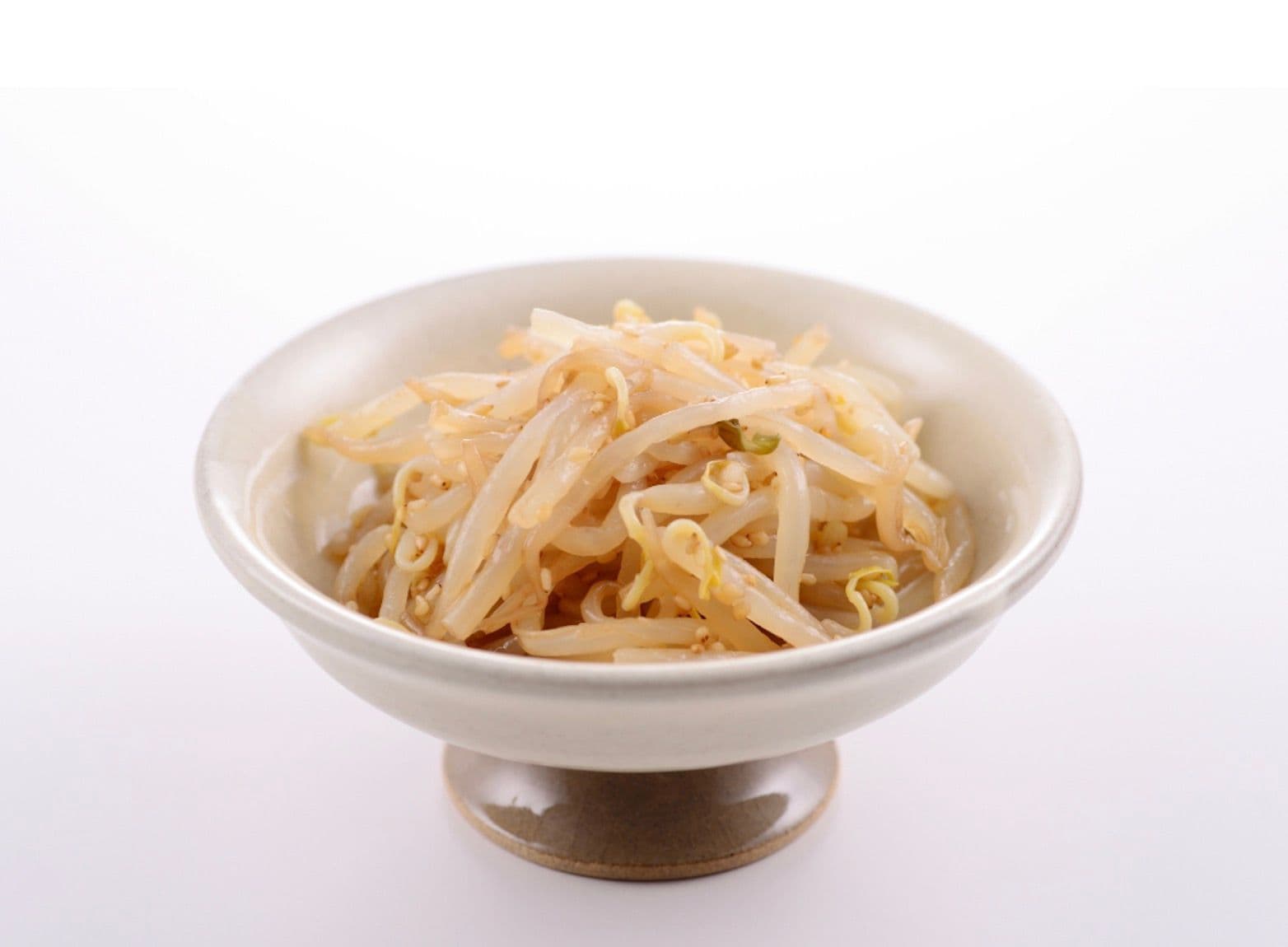
Sukju namul muchim is a simple Korean side dish made with mung bean sprouts. Outside Korea, mung bean sprouts are often easier to find than kongnamul, Korean soybean sprouts, making sukju a practical choice for home cooking.
In Korea, soybean sprouts are especially common in everyday meals, while mung bean sprouts are often used in particular dishes. Both have their own texture and flavor, but mung bean sprouts make a light, crisp, and refreshing namul.
Serve sukju namul with rice, as part of a Korean meal, or as a crunchy topping for bibimbap. Blanch the sprouts only briefly so they stay crisp and do not become watery or too soft.
How I cook it
Rinse the mung bean sprouts thoroughly under cold running water.
Bring 1 liter of water to a boil in a pot and add the salt.
Add the mung bean sprouts to the boiling water and blanch for about 1 minute 30 seconds to 2 minutes. Do not cook them too long, because sukju should stay slightly crunchy.
Drain the sprouts and rinse them briefly under cold water to stop the cooking. Let them drain well in a colander.
Place the drained mung bean sprouts in a mixing bowl. Add minced garlic, soup soy sauce or fish sauce, and sesame oil.
Mix gently with your hands or chopsticks so the sprouts do not break too much.
Taste and adjust with a little salt or soup soy sauce if needed.
Sprinkle generously with sesame seeds and serve as a side dish, or use it as a light, crunchy topping for bibimbap.
What to cook next

Share this recipe
Share the link, a short introduction or an image made with the existing recipe photo.
Prepare a Pinterest Pin
Download the image, then paste the title, description and link into the matching fields of a new Pin.
Review the text and choose a suitable board. If the original photo was made or edited with AI, mark it as AI-modified when publishing.