Your country
Search term: gochujang paste. Compare the product type, package size and ingredients with the recipe.
Start with a local Korean, Japanese or other Asian grocery store, or an online shop that delivers to your country.
Korean fermented chili paste
Korean chili paste
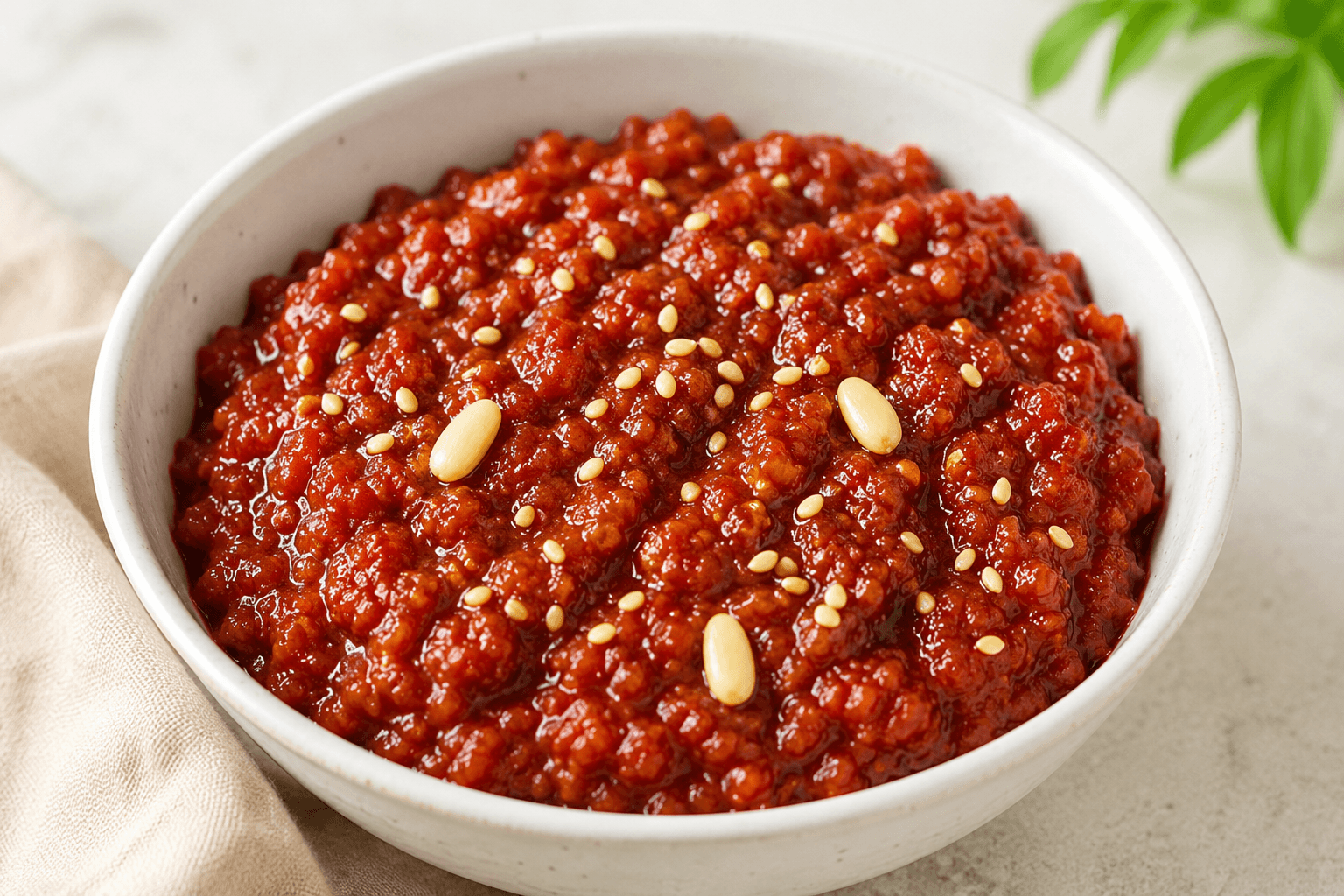
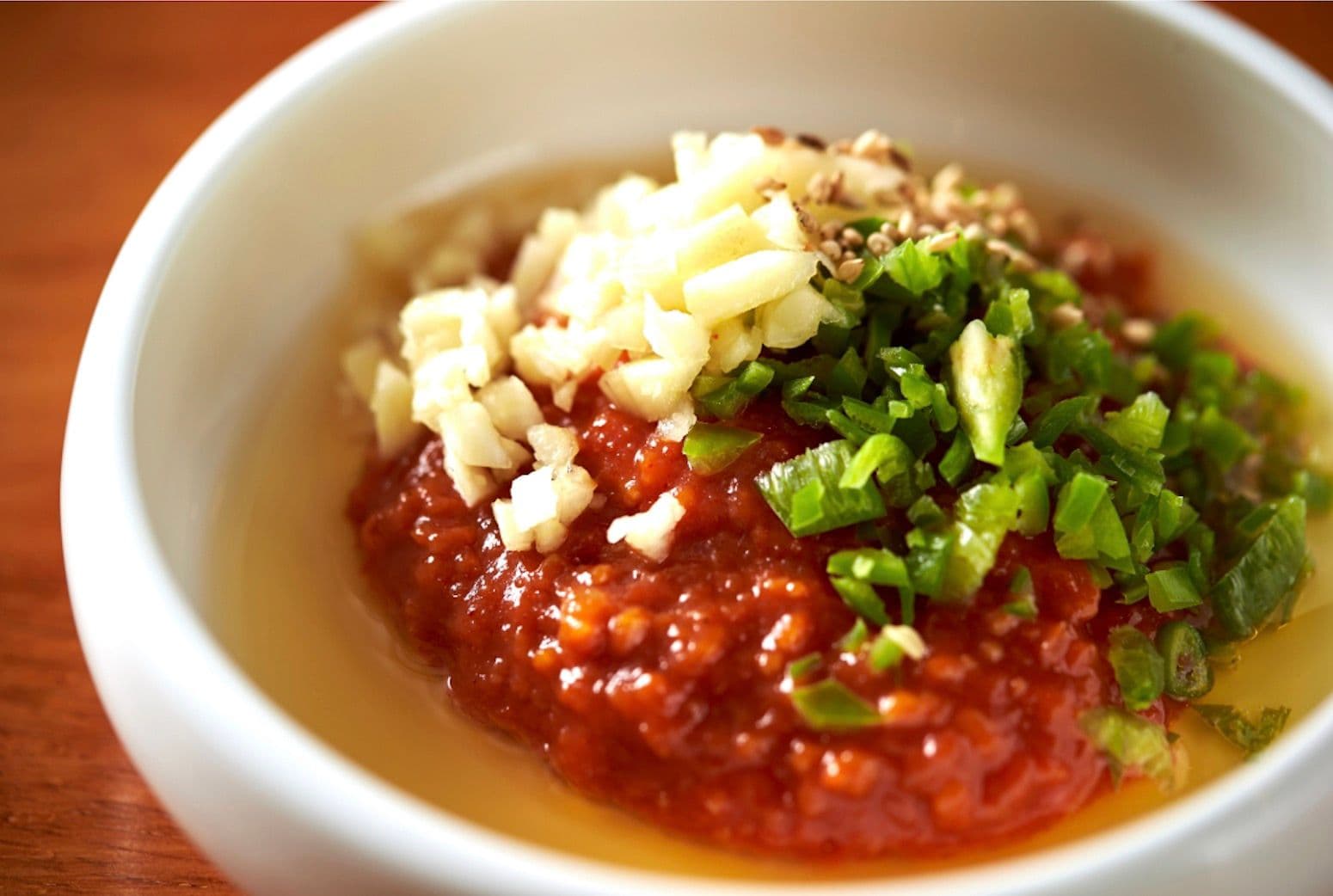
Gochujang (고추장) is a thick, seasoned Korean chili paste with spicy, sweet and savory flavors. For the Bibim Noodle Sauce, choose the paste called for in the recipe, rather than a ready-made dipping sauce.
Search term: gochujang paste. Compare the product type, package size and ingredients with the recipe.
Start with a local Korean, Japanese or other Asian grocery store, or an online shop that delivers to your country.
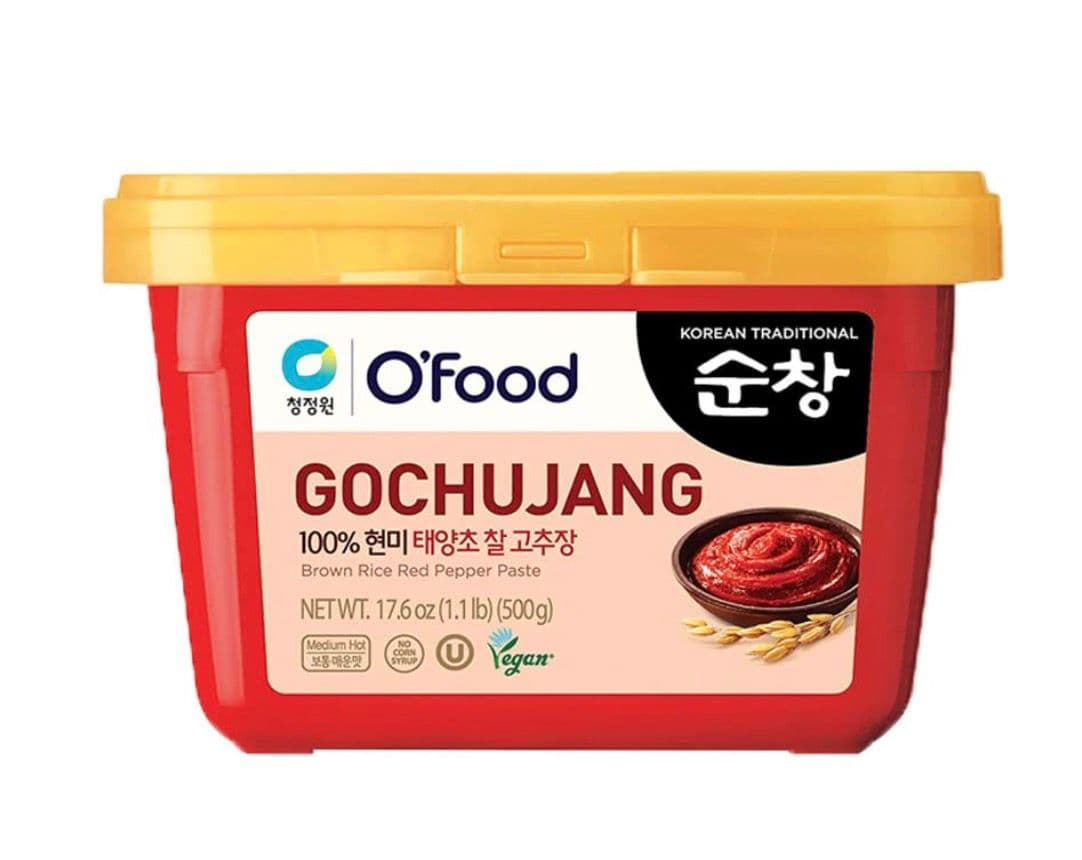
Chung Jung One O’Food Gochujang · 500 g
Weee!
View productShop opens in a new tab.
Weee! is a US shopping option. Check delivery for your ZIP code and the current product selection before ordering.
The brand and pack size shown in the ingredient photo. Check the current label, ingredients and heat level on the product page.
Gochujang (고추장) is a thick, fermented Korean red pepper paste. It brings heat, sweetness and a savory depth to sauces, marinades and stir-fries. The balance varies between products, so choose the heat level that suits your cooking.
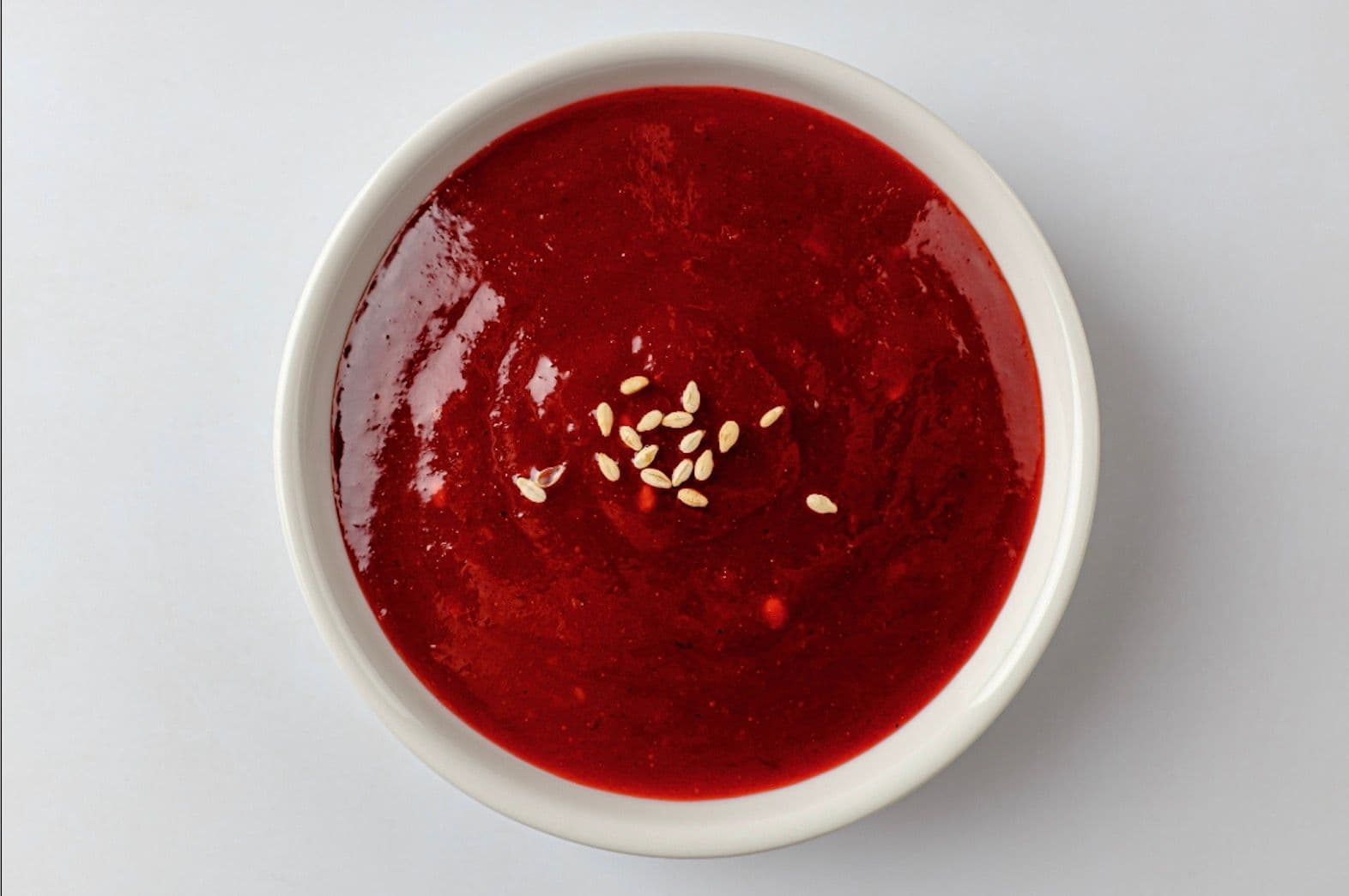
Look for gochujang or Korean red pepper paste on the label. A ready-made gochujang sauce may already contain extra seasonings; it is different from the plain paste called for in a recipe. Check the product name and heat level rather than judging by the color of the tub.
Gochujang is a seasoned paste; gochugaru is dried Korean red pepper in flakes or powder. They have different textures and roles in a recipe, so do not swap them spoon for spoon.
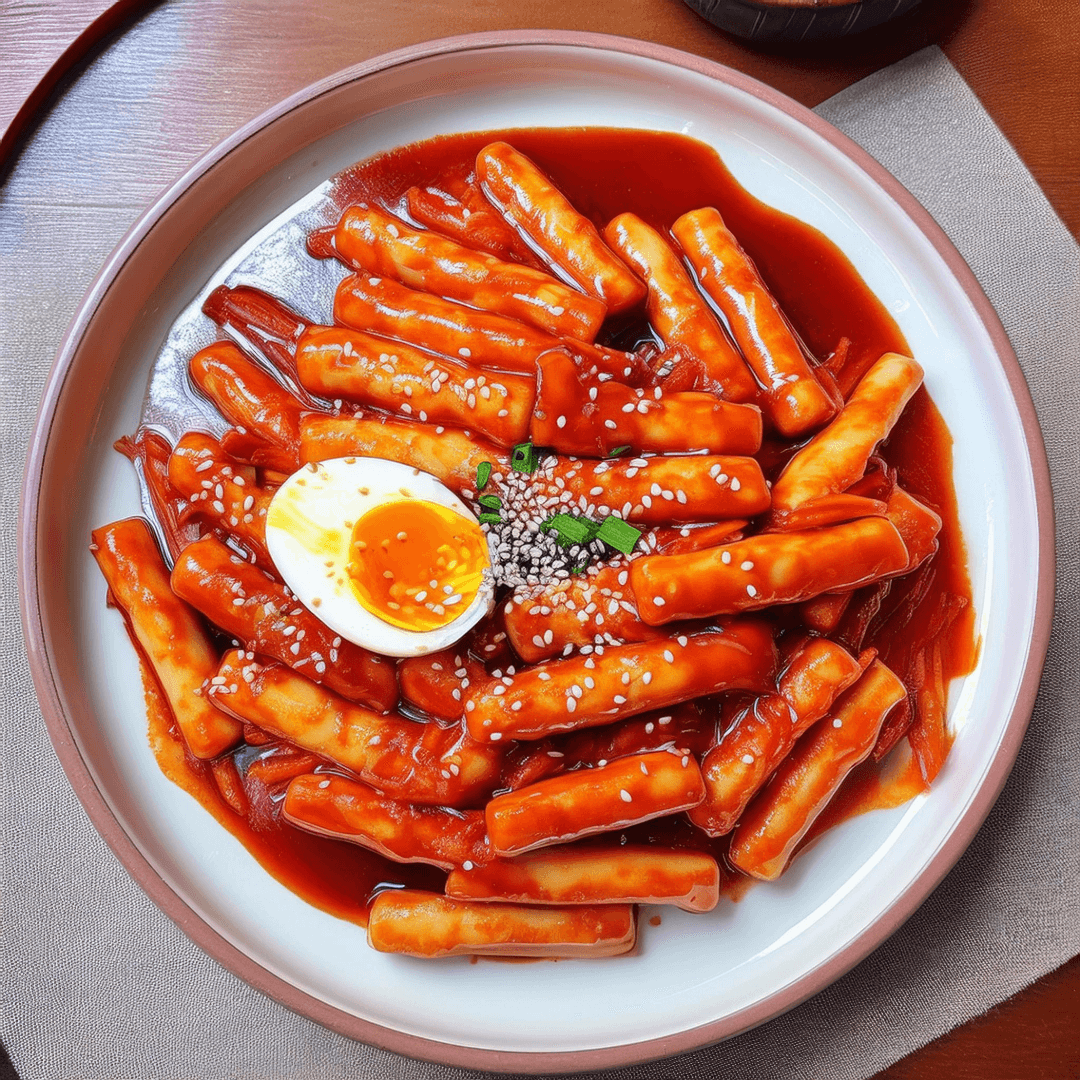
Mix it into the sauce for bibimbap, cook it into tteokbokki sauce, or use it in marinades. Chogochujang combines the paste with vinegar and other seasonings, while bokkeum gochujang turns it into a cooked condiment. Explore the linked recipes below for quantities and steps.
In a pinch, miso or doenjang mixed with Korean chili flakes and a little sweetener can approximate some of its flavors. This is an improvised alternative, not the same paste. Adjust to taste; when gochujang is central to the dish, use the original ingredient if possible.
Start with Korean or Asian grocery stores and online food retailers serving your country. Search for gochujang or Korean red pepper paste; check the product and delivery area before ordering.
Follow the storage instructions on your package, keep the container closed, and use a clean spoon.
Gochugaru is dried chili, so it does not replace the paste spoon for spoon. A hot sauce or prepared gochujang sauce also changes seasoning and texture. For your first attempt, use the paste specified in the recipe or choose a recipe written for what you have.
Korean or Asian grocery stores, Food retailers delivering to your country
Bibim Noodle Sauce, Bibimbap sauce, Tteokbokki, Marinades
Gochugaru is dried chili, so it does not replace the paste spoon for spoon. A hot sauce or prepared gochujang sauce also changes seasoning and texture. For your first attempt, use the paste specified in the recipe or choose a recipe written for what you have.
Use a clean utensil, close the tub after use and follow the product’s storage instructions after opening.
No. A prepared sauce has its own seasoning and consistency. If a recipe uses paste and adds vinegar, sugar or soy sauce separately, a ready-made sauce will change that balance. Check the product name and ingredients before buying.
Gochujang is a seasoned paste; gochugaru is dried chili in flakes or powder. The Bibim Noodle Sauce uses both as separate ingredients. Keep their amounts separate rather than replacing one with the other.