Bibim Noodle Sauce (Sweet and Spicy Korean Sauce, 면 비빔 소스)
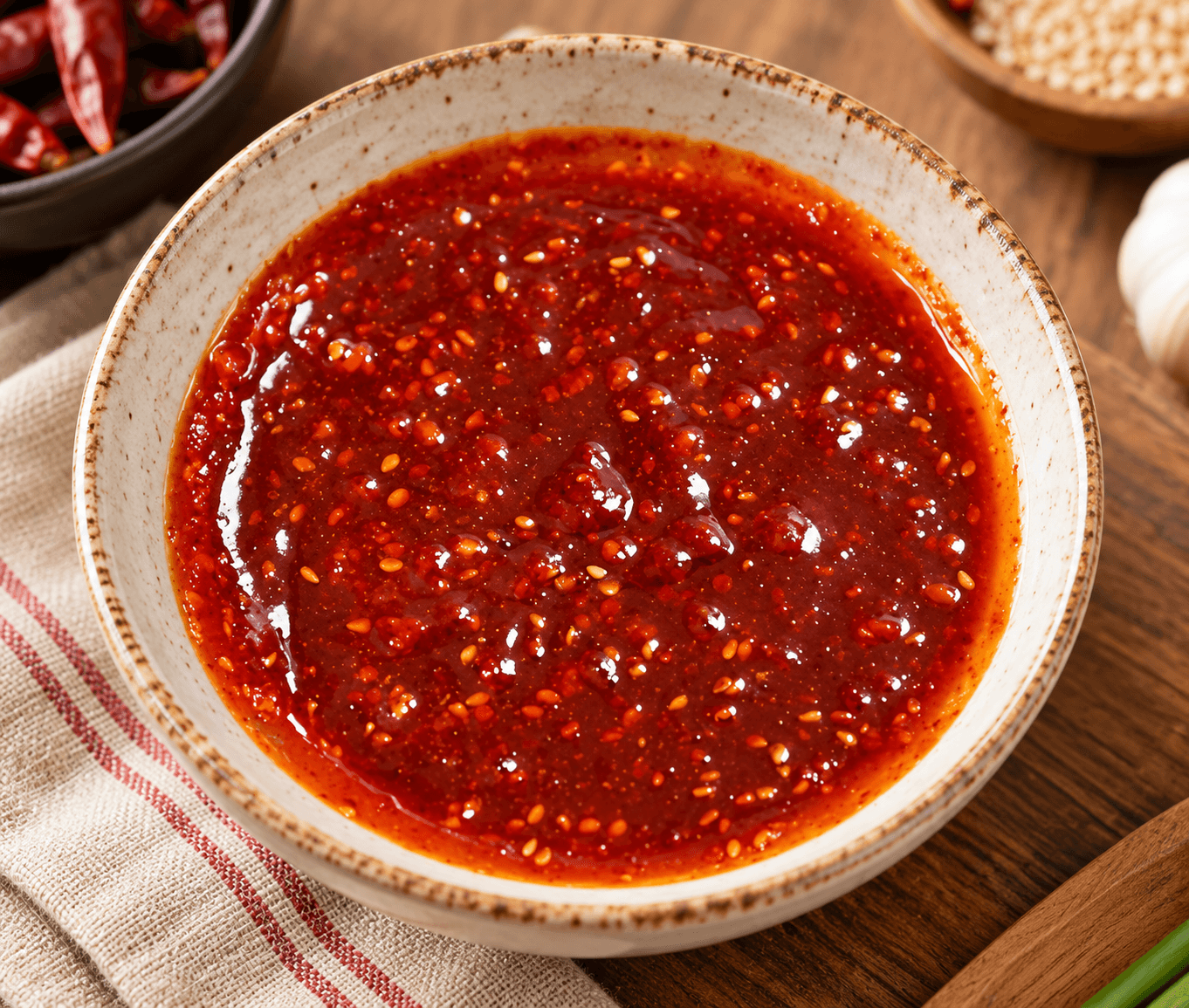
Mix a sweet and spicy Korean noodle sauce with gochujang, sesame oil and apple cider vinegar. Toss with udon, spaghetti or ramen and finish with sesame seeds.
Published
My notes for this recipe
A sweet, spicy and tangy Korean sauce for tossing with the noodles you have at home: udon, spaghetti, thin Korean noodles, kalguksu or ramen noodles. Minced garlic, sesame oil, gochugaru, gochujang and Jin-Ganjang give it its savory flavor, while apple cider vinegar and sugar balance the sauce. Simply mix the ingredients; the sauce does not need cooking. Finish with sesame seeds.
This batch is for approximately 2 servings. The quantities are a ratio measured with an ordinary Korean eating spoon, not calibrated 15 ml tablespoons. Use the same spoon for every sauce ingredient and keep the proportions when scaling. The listed preparation time of about 5 minutes is an estimate for making the sauce only; cooking the noodles and preparing vegetables take additional time.
Serve with any combination of cabbage, lettuce, perilla leaves, scallions or garlic chives. Noodles and vegetables are serving choices, so their amounts are not included in the sauce ingredient list. Add the sauce gradually to suit the amount of noodles and vegetables you use.
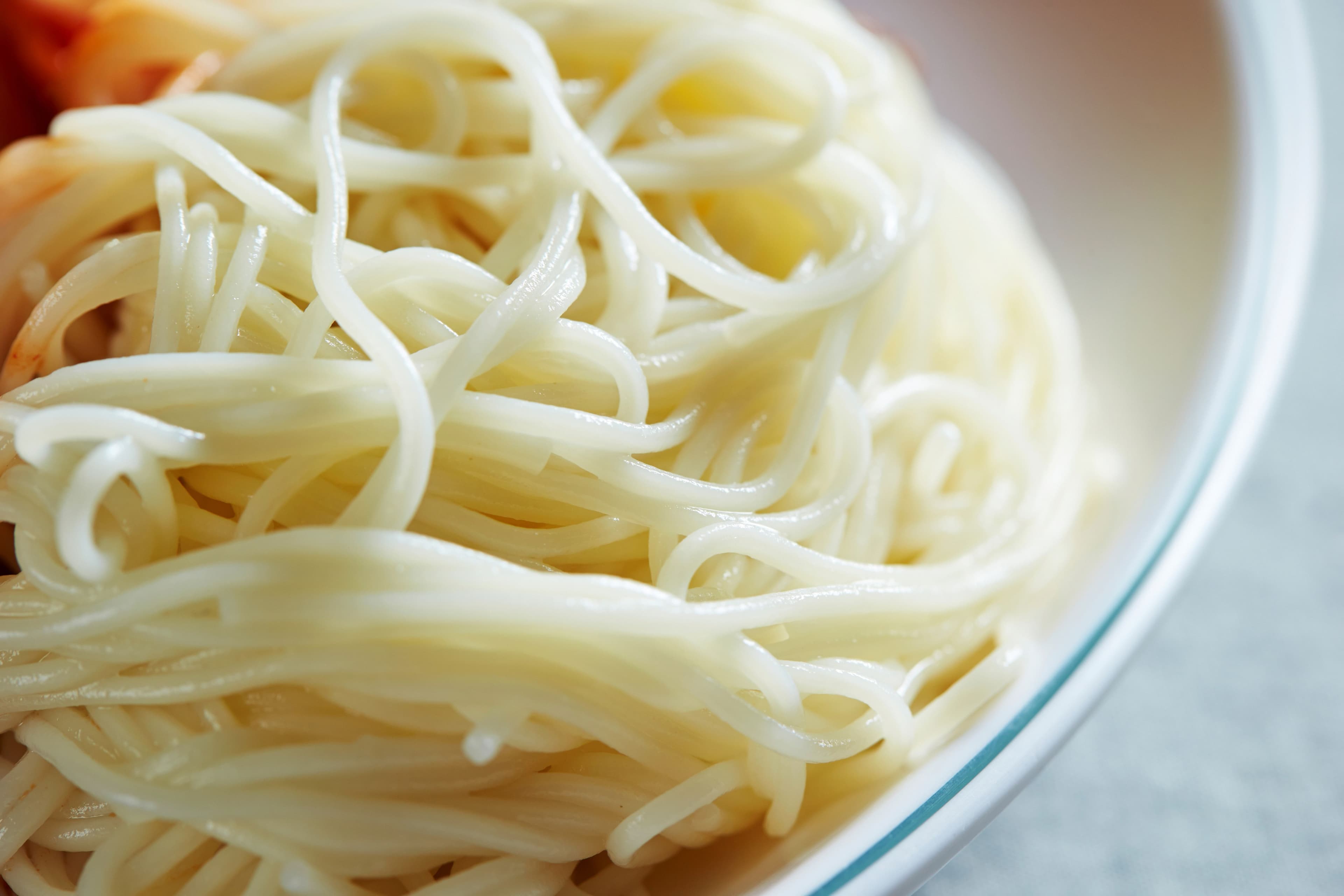
When I cannot easily get to an Asian grocery store, I use very thin supermarket pasta labelled No. 1 on the pack I buy. I boil it in salted water for about 3–5 minutes for that product, then drain it. Pasta numbering and cooking times vary by brand and thickness, so check your own package and taste a strand before draining. This is a practical alternative for Korean-style mixed noodles; the texture is different from somyeon.
How I cook it
0 of 3 steps checked
Put the minced garlic, sesame oil, gochugaru, gochujang, Jin-Ganjang, apple cider vinegar, matsul and sugar in a bowl. Stir thoroughly until the ingredients are evenly combined. Use the same ordinary Korean eating spoon for all the ratio measurements; the sauce does not need cooking.
To use the sauce, cook your choice of udon, spaghetti, thin Korean noodles, kalguksu or ramen noodles according to the package instructions and drain well. Prepare whichever vegetables you want to add: wash cabbage, lettuce, perilla leaves, scallions or garlic chives as needed and cut into bite-sized pieces or thin strips.
When I cannot easily get to an Asian grocery store, I use very thin supermarket pasta labelled No. 1 on the pack I buy. I boil it in salted water for about 3–5 minutes for that product, then drain it. Pasta numbering and cooking times vary by brand and thickness, so check your own package and taste a strand before draining. This is a practical alternative for Korean-style mixed noodles; the texture is different from somyeon.
Add the sauce to the drained noodles a little at a time and toss to coat. Mix in or serve alongside the vegetables you chose. Finish with sesame seeds to taste and serve. Adjust how much sauce you use to the amount of noodles and vegetables; you do not have to add the whole batch at once.
What to cook next
Share this recipe
Share the link, a short introduction or an image made with the existing recipe photo.
Prepare a Pinterest Pin
Download the image, then paste the title, description and link into the matching fields of a new Pin.
Review the text and choose a suitable board. If the original photo was made or edited with AI, mark it as AI-modified when publishing.